
Organisational Mapping: Finding the Real Decision-Maker Before You Call
Organisational Mapping: Finding the Real Decision-Maker Before You Call
A consultant spends forty minutes on a discovery call, sends a polished proposal, and hears nothing back. Three weeks later the role is filled by a competitor. The proposal was fine. The person who read it did not own the budget, did not own the headcount, and forwarded it to someone who had already chosen a supplier.
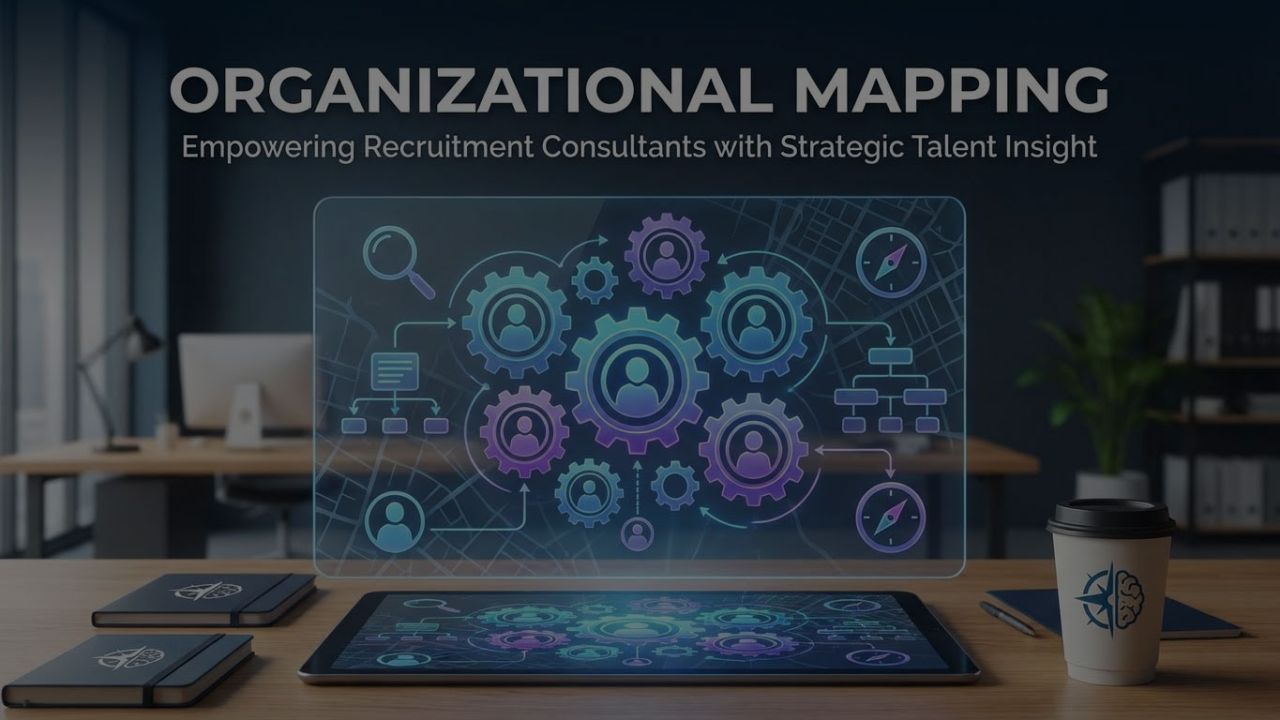
Organisational mapping exists to stop that happening. It is the structured research of who sits where inside a target company, who reports to whom, and who actually signs off on agency spend.
What a Good Org Map Contains
The useful version is not a pretty chart. It is a working document that shows, for each target account:
- The hiring managers for the functions you place into, with tenure and previous employers.
- The talent acquisition team, its size, and whether it is growing or shrinking.
- The budget holder above the hiring manager, which is usually the person who approves a search fee.
- Recent movers in and out, because a gap on the map is a role that is about to open.
- Which agencies are already active in the account, where that can be seen.
Two Uses for the Same Research
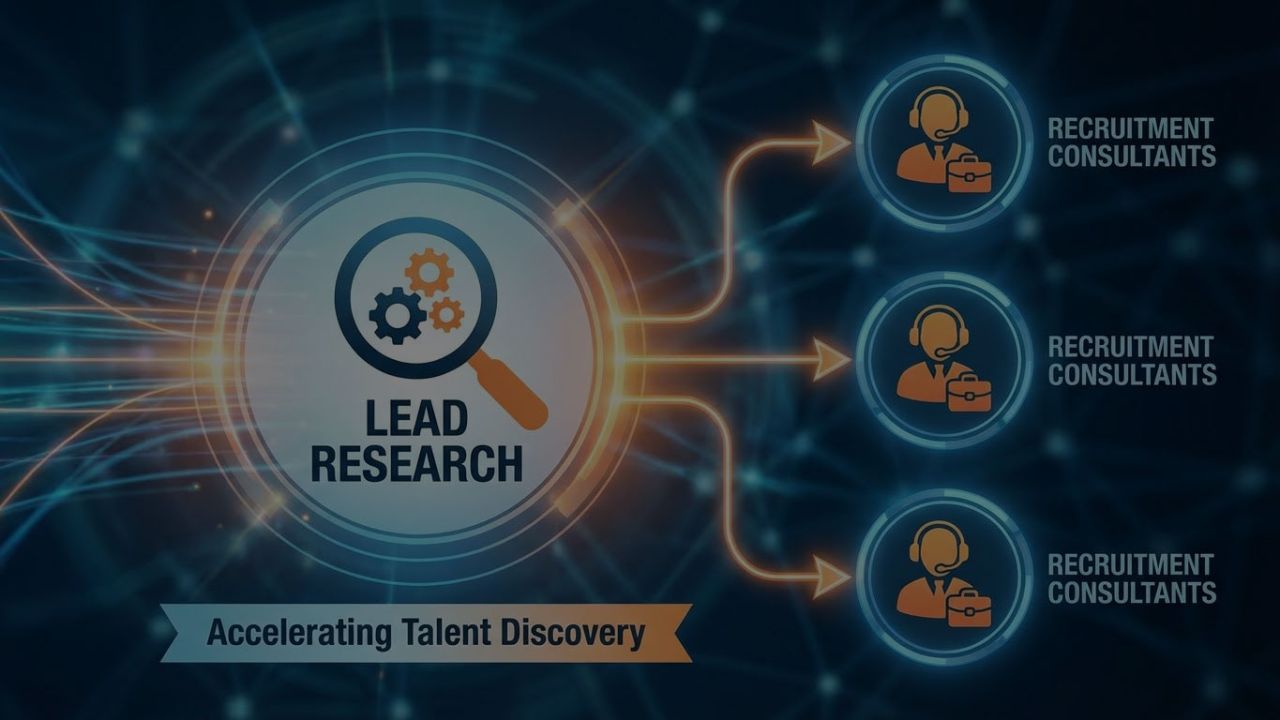
Business development. With a map in hand, the first call goes to the right person with a specific reason for calling. Combined with leads research on live hiring signals, it turns cold outreach into something closer to a warm introduction.
Candidate sourcing. The same map of a competitor's engineering function is a list of passive candidates who are not on job boards. Mapping an entire sector once gives your talent sourcing team a pool that refreshes itself as people move.
How Agencies Get It Wrong
The most common failure is mapping too widely. Twenty accounts mapped in depth beat two hundred mapped badly. Start with your top billing sector, pick the accounts where you already have one contact, and map outward from there. The second failure is treating a map as finished. People move every quarter. A map that is not refreshed is a list of people who used to work somewhere.
Where This Fits in an Agency's Week
Mapping is slow, careful work, and it is exactly the kind of task that gets dropped when a consultant has three interviews to arrange. Handing it to a dedicated research team means the maps are built and maintained while the consultants stay on the phone. Our article on building a talent pipeline shows how mapped sectors feed a sourcing pipeline that does not empty every time a role closes.
Know who you are calling before you call. Everything after that gets easier.
Related articles