
How to Get Onto a UK PSL in 2026: Timing, Evidence and the Research That Gets You Invited
How to Get Onto a UK PSL in 2026: Timing, Evidence and the Research That Gets You Invited
Ask a UK agency owner where their most profitable roles come from and the answer is usually a handful of clients where the agency sits on the preferred supplier list. Ask how they got there and the answer is usually luck, a personal relationship, or a tender someone happened to notice. In 2026, with clients more informed and more willing to challenge fees, luck is not a strategy. The guidance on winning new agency clients is consistent on one point: the moment to be visible is before the review, and tenders reward preparation.
Step One: Know When Lists Open
Most PSLs are reviewed on a cycle, typically every one to three years, and the review is usually triggered by a change: a new head of talent acquisition, a new procurement lead, a merger, or a contract with the incumbent coming to term. None of that is secret. It shows up in appointments announcements, LinkedIn moves, Companies House filings and, for public-sector work, contract notices with published end dates.
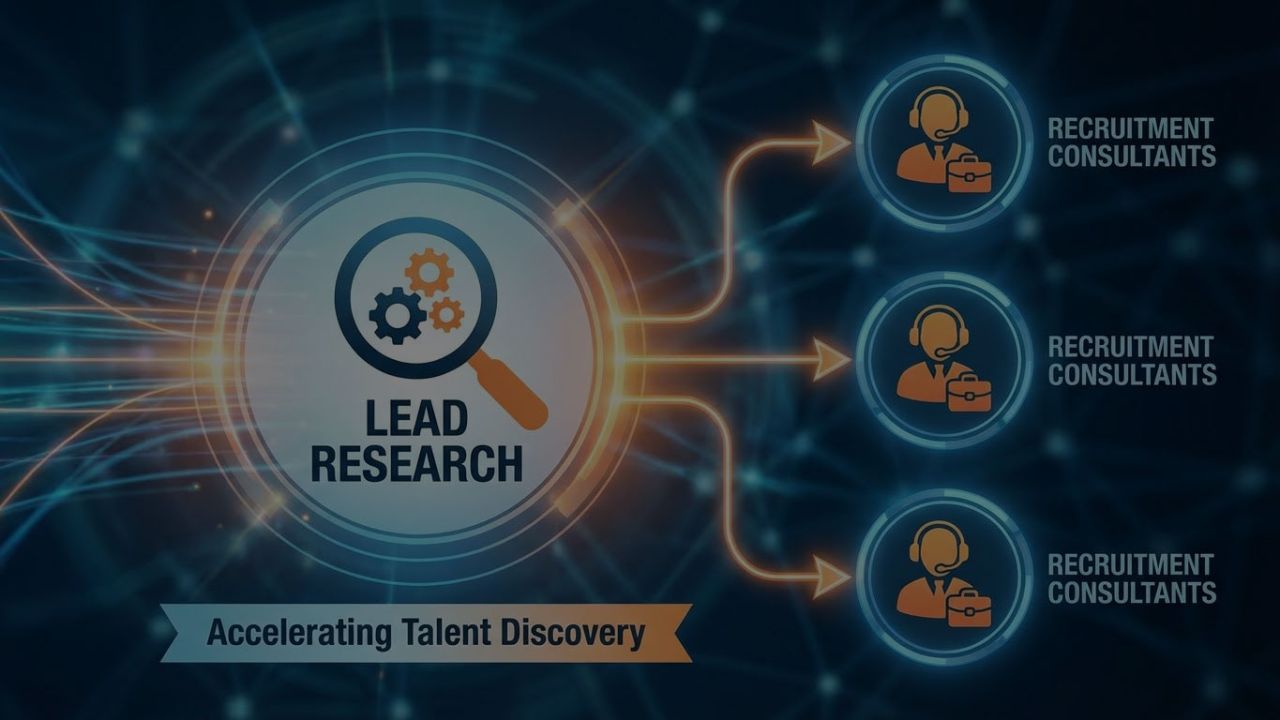
Systematic leads research tracks those triggers across your target accounts and flags a review six to twelve months out. That is the window in which an agency can build a relationship, prove itself on an ad-hoc role, and be on the shortlist before procurement sends the questionnaire. We explain the research model in our article on leads research for recruitment agencies.
Step Two: Know Who Actually Decides
The hiring manager who loves your consultant rarely owns the PSL. Procurement, HR leadership and sometimes finance do, and each has a different objection. Organisational mapping of the account before you pitch tells you who scores the tender, who signs the framework, and who can be an internal advocate. Our guide to finding the real decision-maker covers how to build that map.
Step Three: Assemble the Evidence Early
- Performance data: time-to-fill, submission-to-interview ratios and retention at 12 months, per sector, from your own placements.
- Process documentation: how you source, screen, check right-to-work and handle candidate data. Written down, dated, version-controlled.
- Compliance evidence: GDPR records, umbrella due diligence, insurance, accreditations.
- Presentation quality: every submission the client has already seen is part of the evidence. Consistent, branded, error-free CVs, which is why many agencies outsource CV formatting before they go after PSL work.
- References from clients in the same sector, cleared for contact in advance.
Step Four: Be Findable When They Check
Procurement teams search. If the query "engineering recruitment agency Leeds" returns three competitors and not you, that is a point lost before the questionnaire arrives. Sector and location pages that rank, built the way we describe in our recruitment SEO guide, are part of the PSL case, and our search engine optimization service is built around exactly those pages.
In markets like London and Leeds, where large employers run formal frameworks, PSL access is the difference between fee-competitive ad-hoc work and predictable retained volume. Start the research a year out. The agencies that win these lists rarely find out about them from the tender portal.
Related articles